
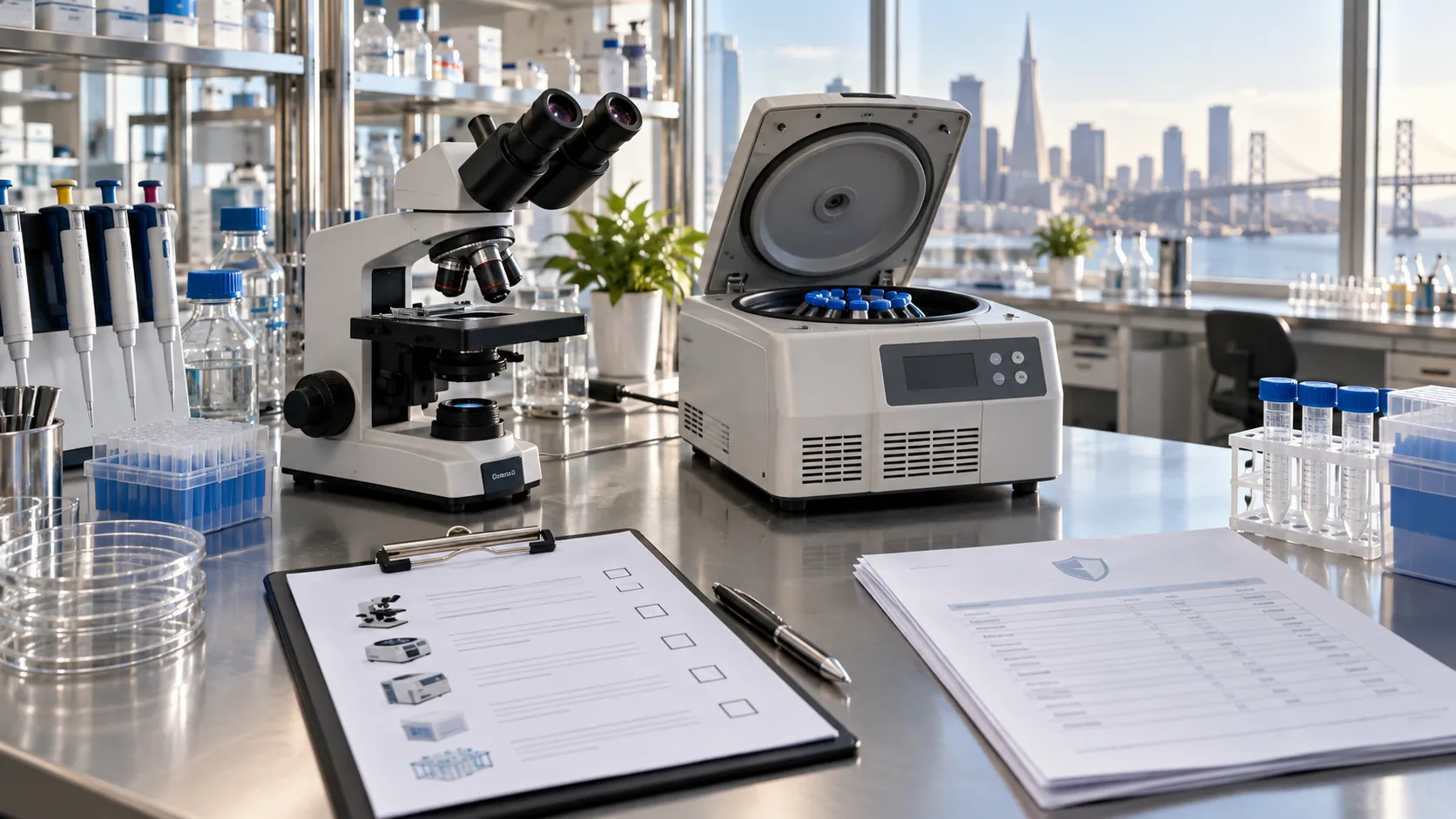
The laboratory operation defines the account
Describe the legal entities, laboratory and office locations, equipment, temperature-sensitive materials, samples, research stage, services, data flows, vendors, contracts, workforce, and planned changes. A life-science label does not identify what property is present, which services are delivered, or what stops if a facility or system is unavailable.
Maintain an operational map that distinguishes owned equipment, leased equipment, customer or collaborator property, samples, software, critical vendors, and work performed at another location. It gives the coverage discussion facts that can be checked against forms and schedules.
Property, services, and cyber require separate comparisons
Commercial property, equipment breakdown, professional liability, general liability, cyber, business-income, and other policy parts can have different triggers, limits, definitions, exclusions, retentions, and conditions. A combined proposal does not establish that every laboratory or service exposure is addressed.
Compare a freezer failure, equipment damage, lost research time, alleged service error, data incident, vendor outage, and contract requirement against actual declarations and endorsements. Record which term needs a document-level answer.
Research contracts and records deserve their own workflow
Read research, clinical, facility, vendor, customer, and lease agreements beside the policy documents. Identify parties, custody, indemnity, certificate requests, required limits, deadlines, and responsibility for property or data. A certificate is evidence of insurance; it does not amend a policy.
Keep a contract-to-policy register with the source agreement, document delivered, endorsement reviewed, renewal requirement, and unresolved question. Update it when a research program, location, collaborator, or responsibility changes.
Use a laboratory change log before renewal
Document an equipment acquisition, new facility, research phase, data vendor, service change, contract, or material workforce change when it occurs. Retain the application, equipment schedule, proposals, declarations, endorsements, and related records.
Policy wording, declarations, endorsements, facts, and applicable law control. This guide organizes biotech insurance questions and does not promise a result for a particular event.
Create an asset and custody schedule the laboratory can use
A useful laboratory asset schedule does more than total expensive equipment. For each freezer, incubator, analytical instrument, controlled environment, computer system, sample collection, and mobile item, identify the owner, location, usual use, replacement support, maintenance or calibration record, and the person who can confirm the information. Distinguish company-owned assets from leased equipment, lender-financed assets, customer or collaborator property, and items held at a contract research organization. These categories can create different commercial, contractual, and operational questions.
Pair the schedule with a custody map. Note when samples, devices, equipment, or data leave the primary facility; who is authorized to receive them; what agreement controls the transfer; and what records prove the handoff. The purpose is not to decide who is legally responsible after an event. It is to prevent a renewal file from describing property and research activity in terms too broad to support an informed insurance comparison.
Translate laboratory continuity into policy-review questions
Ask laboratory leaders what a realistic interruption would involve: maintaining temperature-sensitive materials, obtaining qualified replacement equipment, restoring validation records, accessing a controlled room, rerunning a study, or rescheduling a service commitment. Record equipment lead times, alternate facilities, power and monitoring dependencies, key vendors, required approvals, and the costs that continue during the disruption. A revenue estimate alone rarely explains the operational significance of a research interruption.
Then compare those facts with the proposed forms’ waiting periods, time-element limits, extra-expense provisions, scheduled locations, valuation terms, equipment-related language, exclusions, and endorsements. The comparison should name the form and the question, while avoiding a prediction about a future claim. Policy wording, declarations, endorsements, facts, and applicable law control.
Set research-change triggers before the annual renewal
A laboratory should not wait for renewal to record a new platform, clinical or research phase, facility expansion, material collaborator, data system, service offering, equipment acquisition, or contract obligation. Maintain a dated change log that names the internal owner, source document, anticipated start date, material value or operational effect, and the question needing insurance or legal follow-up. This keeps the application aligned with the business rather than turning last year’s description into an unintended statement about current operations.
Before selection or renewal, reconcile final declarations and endorsements to the account record. Confirm the legal entities, locations, asset schedules, limits, retentions, relevant endorsements, and outstanding conditions. General education cannot determine how a policy will respond; disciplined recordkeeping simply makes the right question available at the right time.