
Separate the loss scenarios before asking whether they are “property damage”
Laboratory operations often depend on tightly controlled environments. A utility interruption, mechanical failure, electrical disturbance, alarm failure, refrigerant issue, water event, or building-system problem may affect instruments, stored materials, samples, and the ability to continue work. These are not necessarily treated alike under a commercial property insurance policy, so a useful review starts by describing the event and each resulting cost separately.
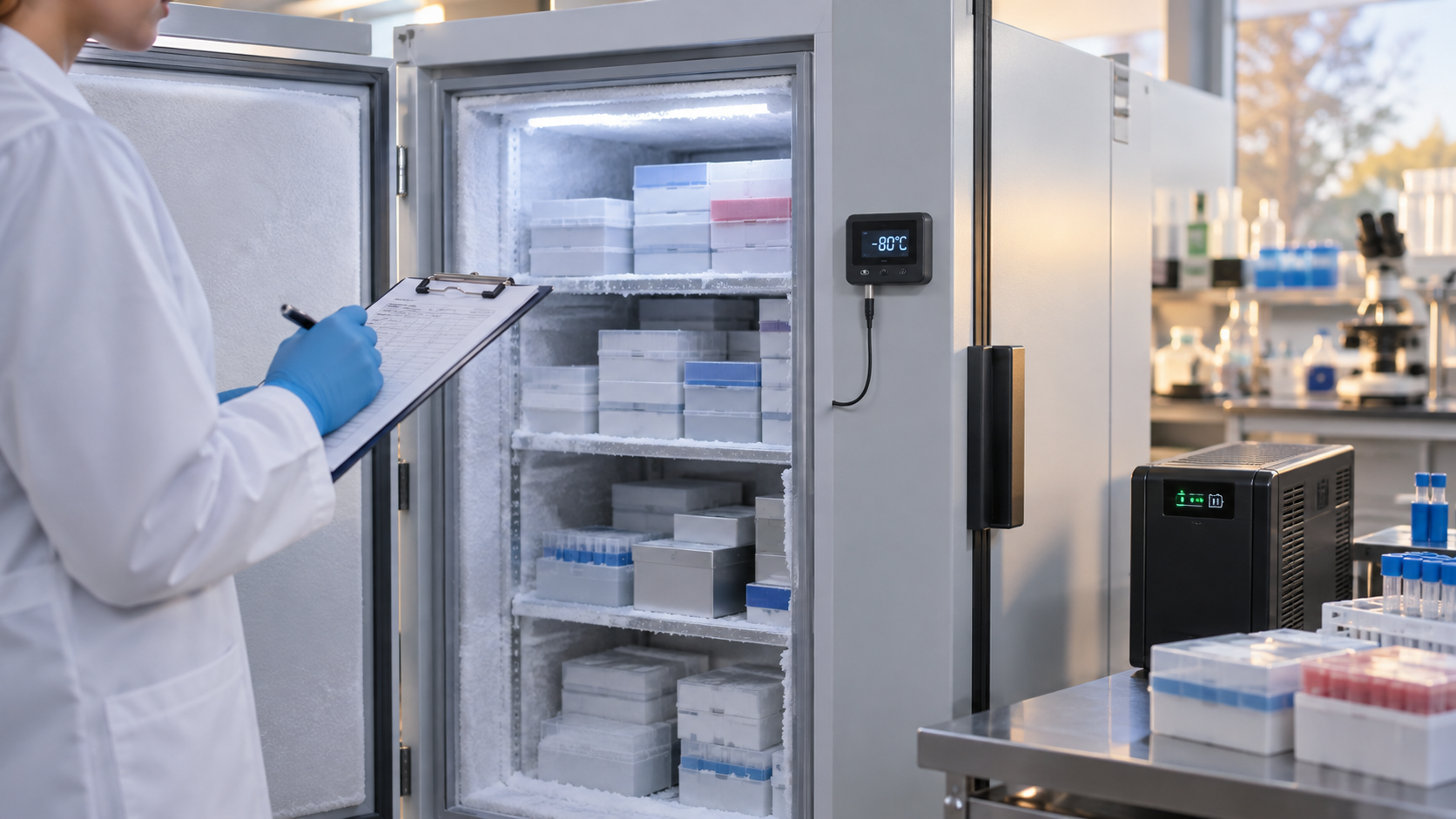
For each critical system, identify the equipment, contents, monitoring process, backup power, alarm escalation, emergency vendor, alternate storage, and time before the materials or work become compromised. This operational picture helps distinguish an equipment-replacement question from a valuation, spoilage, contamination, or business-interruption question. It does not predict how a particular policy will respond.
- Instrument repair or replacement cost
- Stored materials and their valuation basis
- Utility, mechanical, or equipment-breakdown trigger
- Emergency transfer, validation, and restart expenses
- Downtime and the business activity interrupted
Build a critical-equipment and materials record
For each freezer, refrigerator, incubator, environmental chamber, instrument, or critical infrastructure component, record the make, model, serial number, service history, location, contents, monitoring, alarms, back-up arrangement, and owner. For materials, avoid vague labels. Document the category, custody, condition requirements, replacement or recreation path, and who can estimate the value or schedule impact.
Keep procedures, maintenance agreements, temperature logs, inspection records, and vendor contacts in the same controlled location. These documents support operations first. They also make it easier to describe the system accurately in a business insurance submission or to identify the documentation that may matter after an event.
Read relevant policy terms as a set, not as a headline
Ask which coverage parts and endorsements address equipment breakdown, utility service interruption, temperature change, spoilage, contamination, extra expense, and business income. Review definitions, exclusions, deductibles, waiting periods, valuation clauses, protective-safeguard conditions, and sublimits. The fact that a term appears in a proposal does not establish that every cost associated with an event falls within it.
Compare the scheduled values with the most difficult restoration scenario. Would the limit account for expedited replacement, shipping, installation, calibration, validation, cleanup, temporary storage, and the time needed to regain an operating state? If the answer is uncertain, preserve the question for the policy review rather than treating the original purchase price as the complete value.
Turn the review into an operational follow-up plan
Test the escalation process: who gets the alarm, who can authorize an emergency move, which vendor can respond, where materials can go, and how the event will be documented. A response procedure does not create insurance coverage, but it can reduce confusion and preserve the information required for later decisions.
Revisit the file after equipment changes, new material categories, a facility move, changes in backup power, or a near miss. Policy wording, declarations, endorsements, facts, and applicable law control whether a particular situation is addressed by a policy.
Document the chain of custody and the loss of use separately
For temperature-sensitive materials, the operational record should explain where the materials came from, who owns them, where they are stored, what conditions they require, and what makes them usable. A sample, reagent, cell line, or work-in-progress may have a value that is not captured by a purchase invoice alone. Record the basis for any estimate and the person who can explain it.
Also identify the work that becomes unavailable if the material is compromised. The cost of replacement, recreation, validation, delay, and alternate capacity can be different questions. A laboratory property insurance review is more productive when it preserves those distinctions and compares them with the actual policy language.
Connect maintenance and testing records to the risk review
Maintain service contracts, maintenance logs, calibration records, alarm tests, backup-power tests, emergency vendor contacts, and any documented corrective actions. These documents help operations demonstrate how critical equipment is managed and give a future review a factual starting point after a malfunction or renewal question.
When a critical system is replaced or a monitoring process changes, update the property schedule and continuity plan together. The schedule should not lag behind the engineering reality of the laboratory, especially where an instrument supports a key research program or customer commitment.